Coral Reefs

A living city beneath the sea — coral reefs breathe color into the ocean’s depths. But their glow is fading. This site explores the wonder of coral life, the threats they face, and the hope that still shimmers in the tide..

Biodiversity

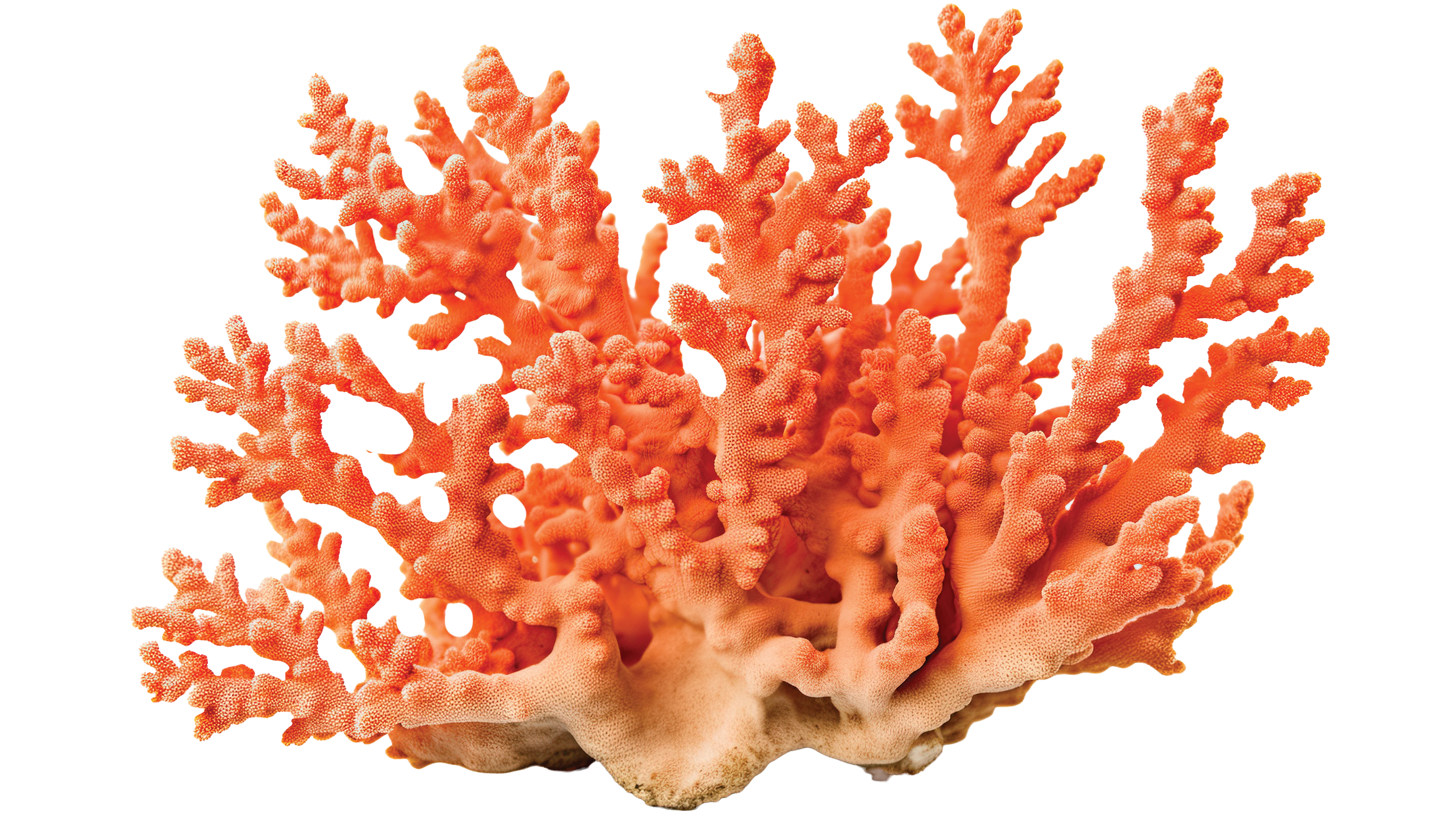
Image of Coral

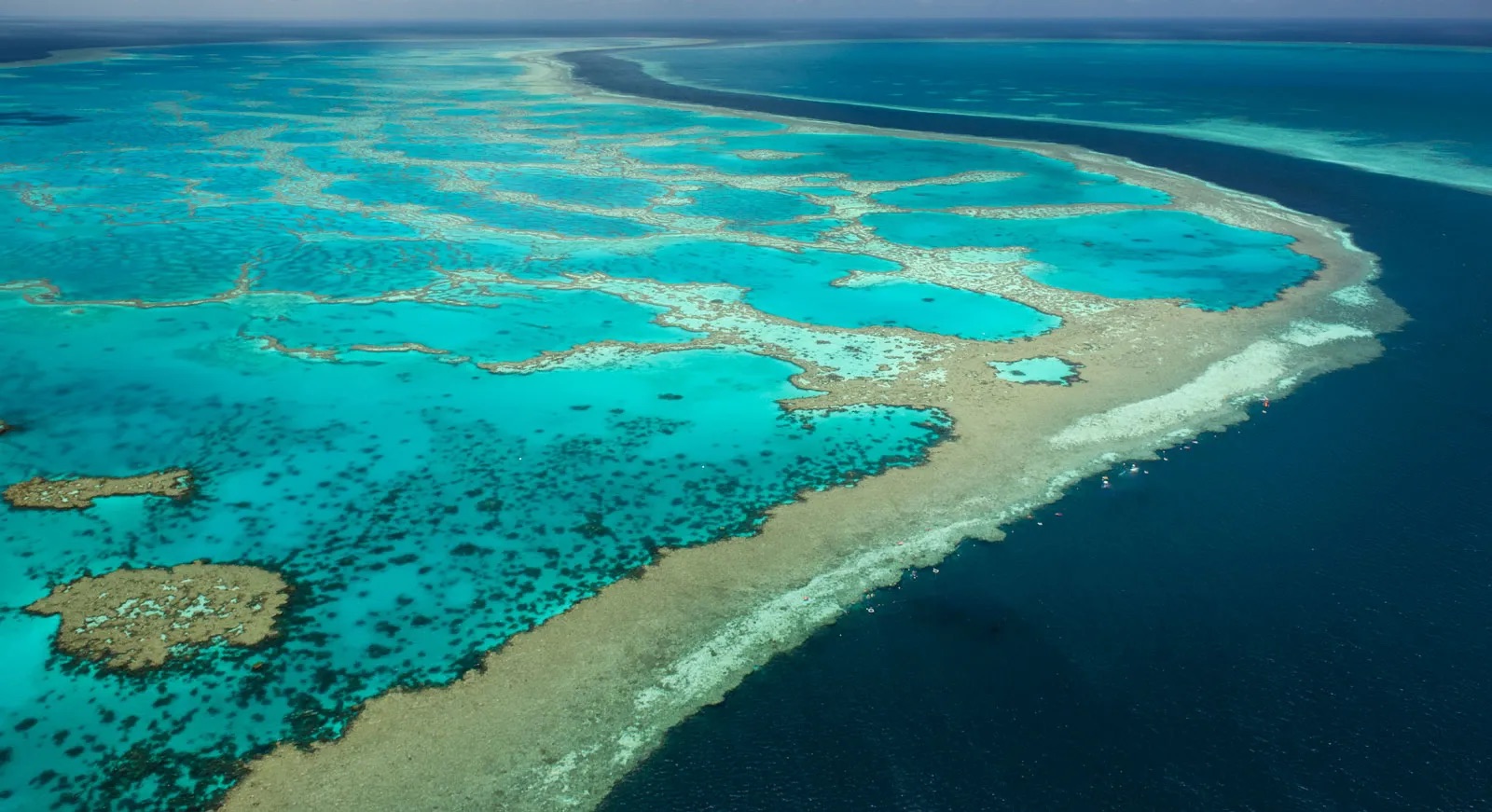
Coral reefs are among the most biodiverse ecosystems on Earth, often referred to as the “rainforests of the sea.” Despite covering less than 1% of the ocean floor, they support an estimated 25% of all marine species. This incredible biodiversity is made possible by the complex, three-dimensional structure of the reef, which provides countless niches for organisms to live, feed, and reproduce. Fish of every size and color, sea turtles, sharks, mollusks, crustaceans, and countless microorganisms all depend on reefs for shelter and survival. The corals themselves form symbiotic relationships with tiny algae called zooxanthellae, which help fuel the ecosystem through photosynthesis. This intricate web of life creates a highly productive environment that sustains both marine species and human communities that rely on reefs for food, tourism, and cultural practices.
Human Impact

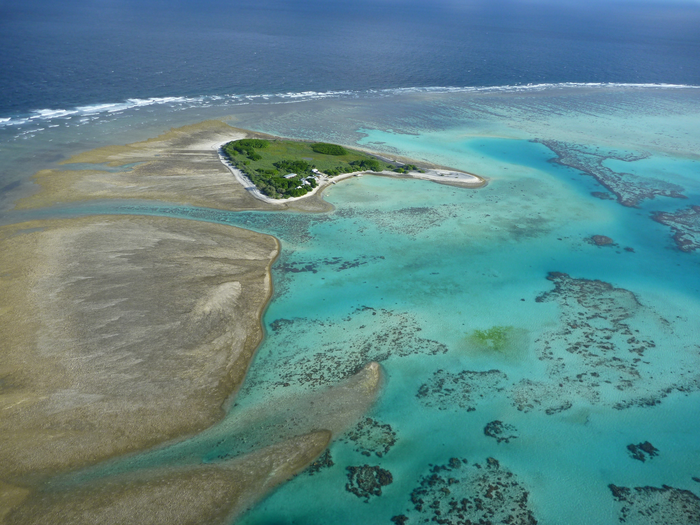
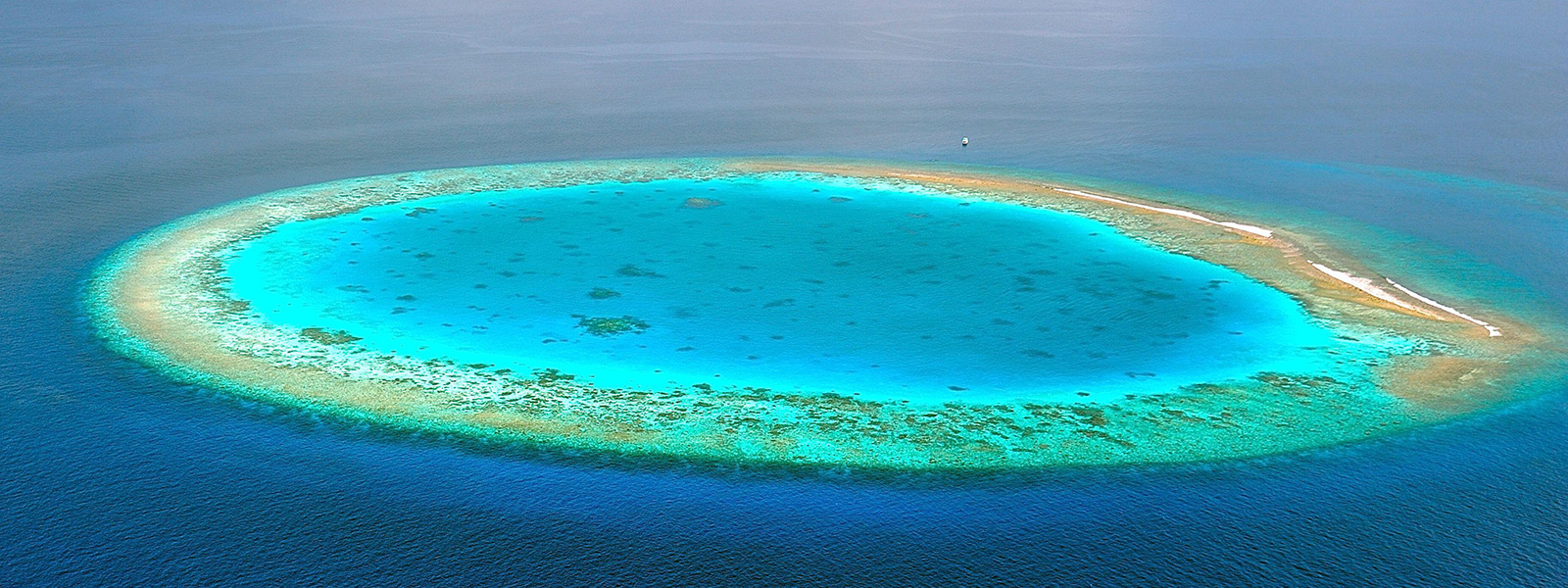
Humans have significantly impacted coral reefs through a combination of pollution, overfishing, and climate change. Rising ocean temperatures caused by global warming lead to coral bleaching, a stress response that can kill entire reef systems when prolonged. Pollution from agricultural runoff, plastic waste, and coastal development introduces toxins and excess nutrients into the water, disrupting delicate ecological balances and promoting harmful algal blooms. Overfishing removes key species that help maintain reef health, while destructive practices like dynamite fishing and anchoring physically damage reef structures. Together, these human-driven pressures weaken coral resilience, reduce biodiversity, and threaten the survival of one of the planet’s most vital marine ecosystems.

NOAA Coral Reef Conservation Program

Learn from the experts leading coral conservation in U.S. waters. The National Oceanic and Atmospheric Administration (NOAA) offers educational resources, citizen science projects, and ways to support coral protection through research and sustainable practices.